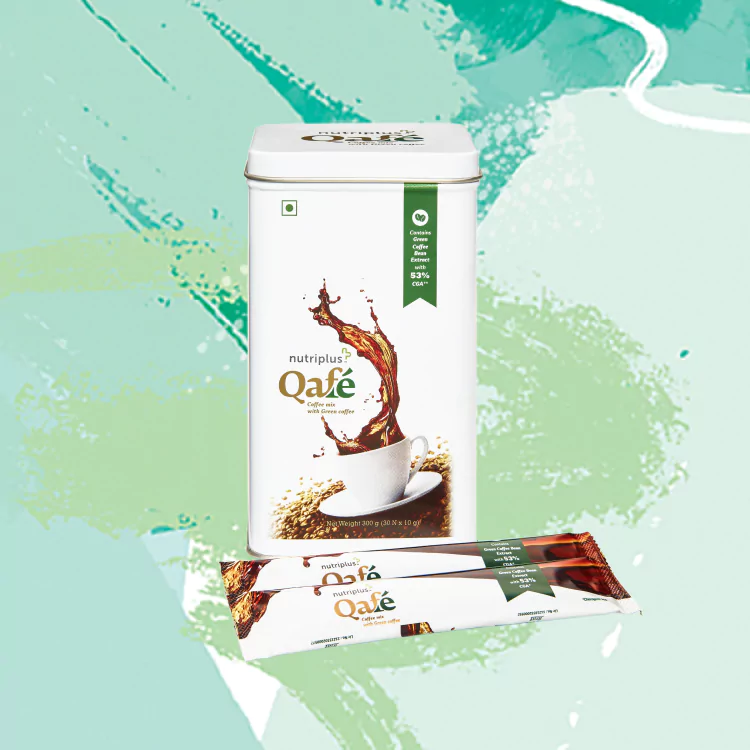


QNET is not an investment scheme. It is a direct selling business, and it is completely unrelated to an investment scheme. An investment scheme asks you to hand over money and wait for a return, often with little say in how that return is generated. QNET does not operate in such a way. Every rupee spent through QNET goes toward buying an actual product, whether that is a wellness item, a home care essential or something from its lifestyle range. There are no promised returns, no guaranteed payouts and nothing resembling a deposit scheme anywhere in the model. The question of whether “is QNET safe to invest” comes up often, and the honest answer is that it is a safe and legitimate business to buy from or work with, once you understand how it actually operates.
Do You Have to Recruit People to Earn With QNET?
Recruitment is not a requirement for earning with QNET. Anyone who buys a product simply buys a product, full stop. For those who choose to become Independent Distributors, income comes from selling QNET India’s health, wellness and lifestyle products to real customers, not from convincing others to join. This is a specific requirement under Indian law, not just a company policy. The Consumer Protection (Direct Selling) Rules, 2021 explicitly bar direct selling entities from charging entry fees or rewarding distributors simply for referring prospective customers. Selling has to be at the centre of how anyone earns, and that is the basis of a legitimate direct selling model.
Can You Earn Without Recruiting Anyone?
Earning without recruiting is entirely possible with QNET. A distributor who never signs up a single other person can still earn commissions, provided they are selling products. As the Indian Direct Selling Association’s code of ethics notes, ethical direct selling ties remuneration to genuine sales of products and services, not to recruitment. QNET India’s compensation model follows this same principle, which is a large part of the answer to “is QNET business legal in India?”
Is QNET Based on Recruitment or Product Sales?

QNET’s compensation plan is built around product sales, not signing people up. Every commission an independent distributor earns traces back to a real transaction, a customer buying a real product, rather than a new person joining the network. A simple way to check this for yourself is to look at how the money moves. If a distributor’s earnings would collapse the moment new sign-ups stopped, that points to a recruitment-based model. If earnings instead depend on repeat customers and product demand, that is direct selling working as intended, and it is the model in which QNET India operates through Vihaan Direct Selling (India) Pvt Ltd. This same test works for any company, not just QNET.
How Does This Work in Practice?
Understanding this distinction is genuinely useful before deciding how to join QNET India. Signing up does not commit anyone to recruiting. It commits them to selling real products, and earnings scale with how well that selling goes, similar to any retail or sales based role. Some Independent Distributors choose to build a wider team over time, since teaching others to sell can multiply results, but this is a choice rather than a requirement, and it is never the only route to earning. Many people thinking about how to join QNET are hoping to earn passive income alongside their main job or studies, and that is realistic here, provided the expectation stays grounded. Genuine passive income through direct selling still depends on real product sales taking place, rather than simply earning money without doing any work.
Understanding this difference clears up most of the confusion around QNET’s business model. It is not an investment scheme; it does not depend on recruitment to function, and it operates under a regulatory framework built specifically to keep it that way. For anyone still weighing up whether QNET is a safe place to spend time or money, the products, the compensation structure and the legal record all point in the same direction.
Also Read: Is QNET Legal In India